
As the seasons change and winter approaches, it’s essential to properly close up your seasonal property. The freeze, wind, and ice that come with fall and winter love breaking stuff, so by closing the cottage the right way and you’ll avoid heartache, big repair bills, and insurance headaches.
The list below provides a system-by-system guide to help you prepare your Georgian Bay cottage for the cold months ahead.
2–4 weeks before departure: schedule pros — HVAC/furnace tune, plumber for the winterization (if you’ll be draining), propane technician, and a solar/battery check if you have storage
Last weekend/final day: complete the inside-and-out checklist below (drain lines or set heat, secure boats, lock up)
After you leave: arrange a local check person (neighbor, property manager) and tell your insurer if the place will be vacant. Many policies require checks or have vacancy endorsements—don’t assume coverage if you leave it unmonitored
Clear gutters and downspouts of leaves & debris so fall rains and melting snow don’t back up into walls
Inspect roof and flashings; make minor repairs now (replace any broken or missing shingles and repair damaged seals)
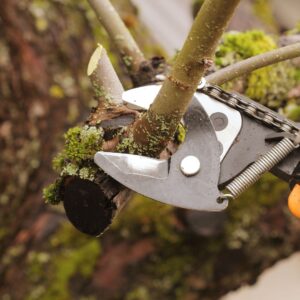 Trim back branches that overhang the cottage or dock and may be brought down by ice
Store or secure loose items (furniture, kayaks, cushions)
Lock or remove outdoor propane grills (make sure to clean them to keep pests away)
Raise/tie up dock floats or remove sections if your shoreline is subject to ice heave; check local dock-storage best practices
Avoid freezing damage. If pipes freeze in a cottage, repair costs can be huge. Two common approaches:
Leave the main water supply ON, set thermostat to a safe baseline, and arrange regular checks (many insurers require this or will exclude freeze claims)
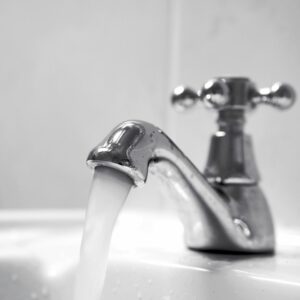 Close the main water valve and drain hot and cold lines (open all faucets, flush toilets)
Use the lowest drain point or a sillcock to remove all water
Use an air compressor to blow out lines (especially for long/cottage plumbing runs) — do this before adding antifreeze
Add RV-grade (propylene glycol) antifreeze into traps, toilets and fixtures per manufacturer guidance — do not use automotive antifreeze
Drain and winterize the hot-water tank per manufacturer instructions (some tanks can be drained; others may require a tech)
If you’re unsure, book a local plumber experienced with Georgian Bay cottages — the coastline, shallow slabs and exposed tanks have quirks.
Install tamper-resistant covers on exterior outlets, and consider motion lighting and smart cameras (with good mobile alerts) if you want real-time monitoring
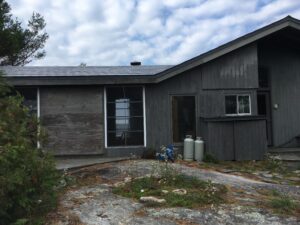 Propane tanks – leave tanks outdoors, upright, and clear of snow and heavy debris; do not blanket them — suppliers and regulators advise keeping access clear for deliveries and emergency access
Grills & portable cylinders – disconnect and store small cylinders outdoors in an upright, secured place or have supplier pick them up per local rules
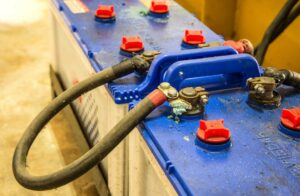
If you keep the system live – confirm remote monitoring is working and that the battery management system has appropriate cold-weather settings; batteries behave differently in extreme cold and may require enclosure heating or derating
If you shut the system down for winter – follow manufacturer steps for powering down inverters and isolating batteries; battery storage requires special handling — hire a solar installer or an electrician experienced with battery systems
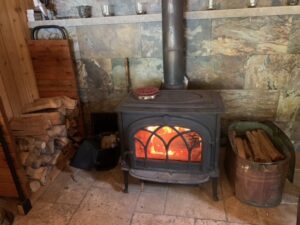 Clean out all debris and ashes from the bottom of woodburning stoves and fireplaces
A correctly winterized boat means a much happier spring launch.
Key steps for outboards & inboards:
Flush cooling systems with fresh water and drain completely; add antifreeze where needed
Stabilize and top up the fuel tank; add fuel stabilizer and run the engine briefly to circulate
Remove batteries or put them on a smart maintainer; store batteries in a dry, warm place if possible
Clean and dry the interior, remove valuables and electronics, and drain/anti-freeze onboard water systems and head
Leave keys with a trusted local person and give them a checklist and contact numbers for contractors and the insurer
Install or test monitored alarms, smart cameras, and remote sensors (temperature/water leak) so you can get alerts if heat is lost or a freeze is imminent
 Final quick safety reminders
Hire pros for gas/propane, electrical panels, solar battery work and complex boiler/drain tasks — mistakes are dangerous
Carbon monoxide – never run a generator or leave portable heaters in enclosed spaces without proper ventilation and CO alarms
Document everything – photo the state of critical systems and keep serial numbers & manuals in a folder (digital + physical)
By following this comprehensive list, you’ll ensure your seasonal property is properly winterized, secure, and protected from damage. Take the time to complete these tasks, and you’ll enjoy a worry-free winter, knowing your property is safe and ready for the spring.
Cottage Life has a short video of tips here: