
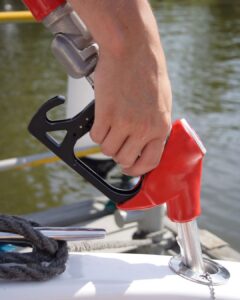
 A few stray drops of fuel or a splash of soapy water off the deck might not seem like much on its own, but when hundreds of boats share the same waterways, the cumulative impact builds. A minor fuel spill creates a surprisingly large slick that can starve marine life of oxygen and persist in shoreline sediments. Household cleaners containing phosphates and ammonia can wash off hulls into sheltered bays, altering water chemistry and fueling harmful algal blooms. Because this stress lands directly in the waters where we swim, dock, and fish, simple tweaks to how we maintain our boats can make a noticeable difference.
Developed in 1995 by Boating Ontario, the Clean Marine Eco-Rating Program is a voluntary framework for marinas, yacht clubs, and marine dealers to follow best environmental practices to reduce and prevent water, air and land pollution associated with recreational boating activities. Since the program’s inception, over 300 businesses have participated.
How it Works
Participating marinas undergo an independent, 220-point assessment (evaluating things like spill prevention, hazardous waste disposal, emergency response, and site runoff management). Facilities earn ratings from Bronze to Diamond Elite based on their audit performance. Marinas complete annual self-assessments and undergo formal re-audits every four years to retain their certification.
When you see the Clean Marine Flag flying at a dock, it serves as your assurance that the facility operates under world-class environmental management standards. Over 40 marinas around Georgian Bay meet these high standards.
While certified marinas manage ground runoff and commercial waste, preventing direct water contamination requires conscious choices aboard your vessel.
Drip-Free Refueling & Bilge Care: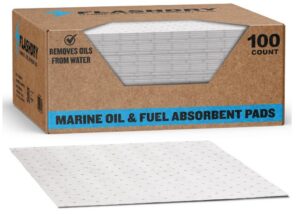
Eco-Friendly Products & Waste Management:
Respect Shorelines and Wildlife
 Observe posted speed limits and reduce your wake near shallow bays, marshes, and natural shorelines to prevent bank erosion and protect waterfowl nesting grounds
Before transporting your vessel between water bodies clean all aquatic plants and mud off your hull, trailer, and gear, drain bilges, livewells, and bait buckets on dry land to prevent transferring invasive species between waterways
Get tips safe refuelling tips here and read more about Boating Ontario’s Clean Marine Program here.